
Footwear
Safety footwear, kept deliberately small and clear: all 32 products on this page are footwear, and the brands are safety brands — Regatta Safety Footwear with 9 styles, Result Work-Guard 8, Portwest 5 and Warrior 1. Footwear is not decorated, so this page is about the boots and shoes themselves.


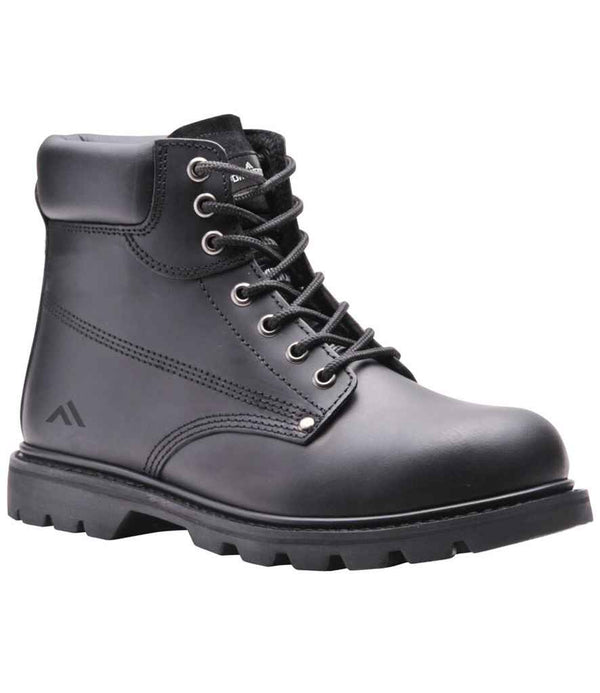

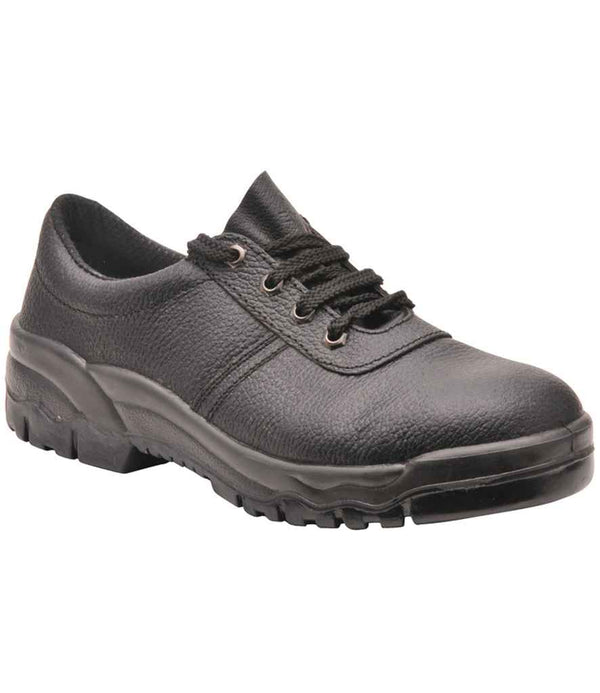


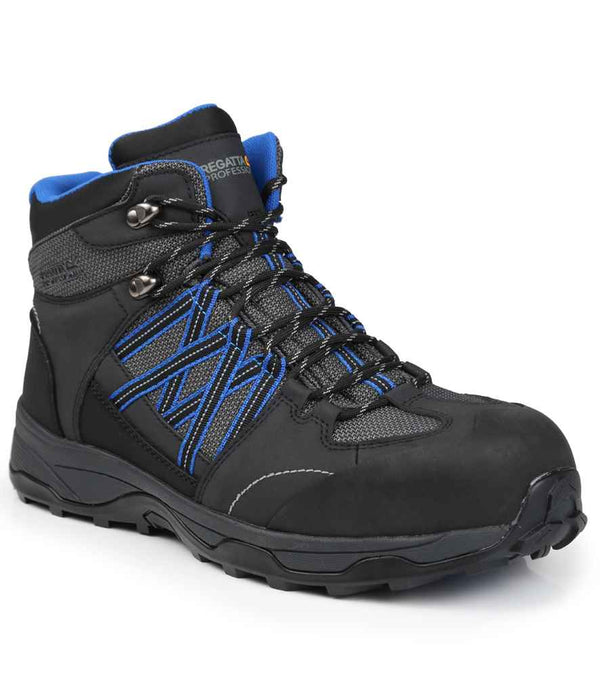


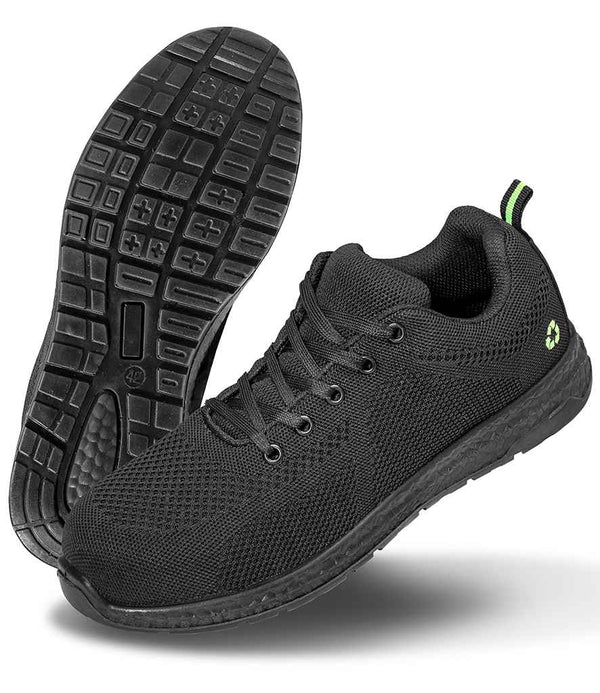


What the range covers
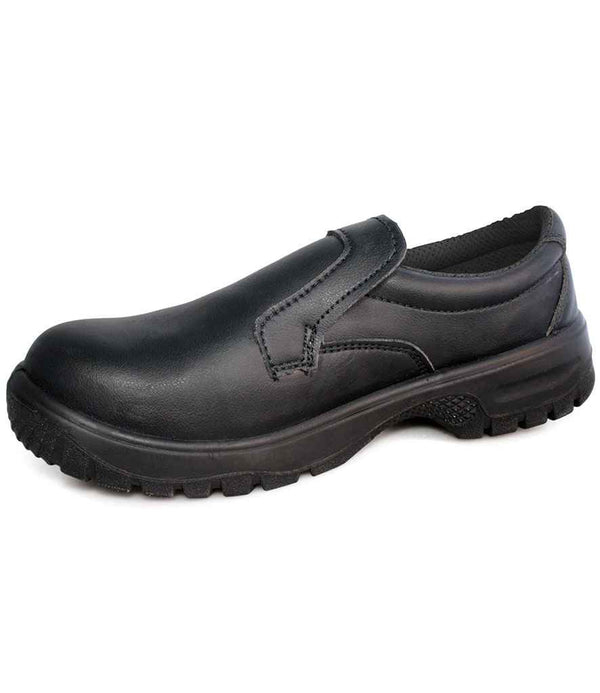
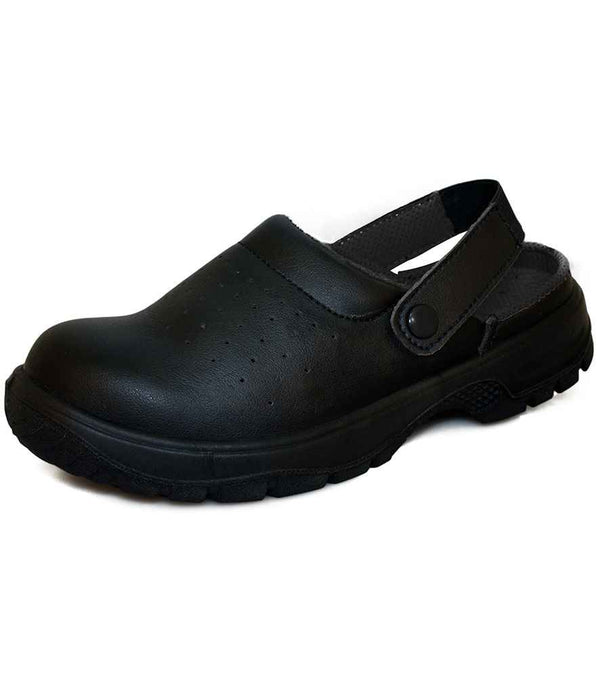
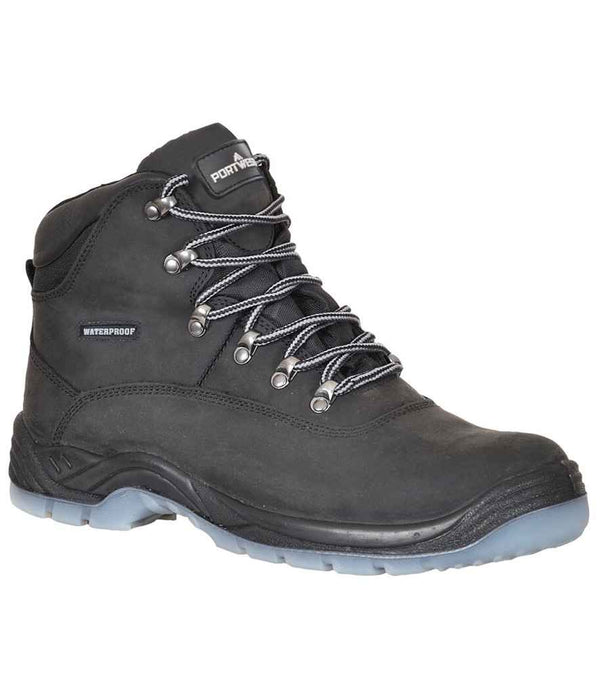
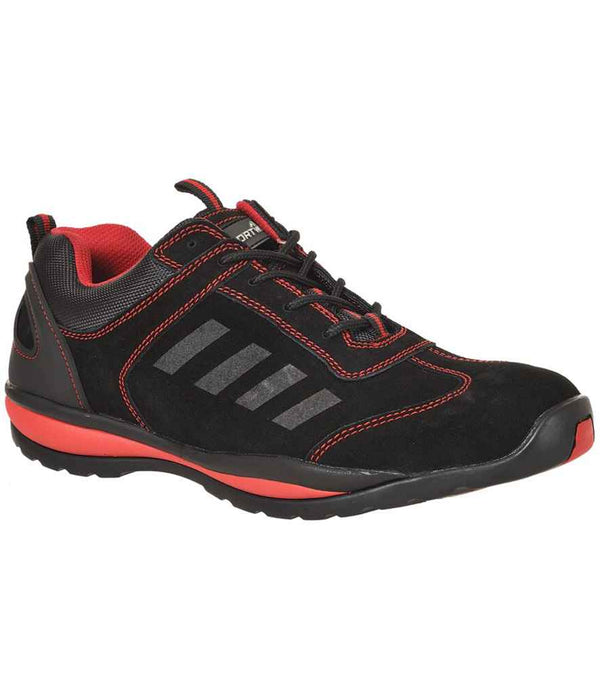
Safety boots with a protective toe cap, in ankle and higher cuts, in leather and in lighter synthetic uppers. Safety shoes and safety trainers for lighter work and for staff who are on their feet indoors. Waterproof and water-resistant styles for outdoor and groundwork. Each product page states its own protection: the toe-cap type, whether there is a penetration-resistant midsole, and the safety rating the boot is certified to.
Choosing the right footwear for the job
Start with the hazard, not the style. Falling or rolling objects mean a toe cap, which is almost everything here. Sharp objects underfoot — nails on a site, swarf in a workshop — mean a penetration-resistant midsole. Wet ground means a waterproof upper, and a slippery floor means paying attention to the slip-resistance rating rather than the tread pattern. Indoor work with a light risk can be done in a safety trainer or shoe; full-time site work is better in a boot that supports the ankle.
Steel or composite toe caps
A steel-toe boot is the traditional protection: strong, well proven and the cheapest. A composite cap gives equivalent protection to the same standard, weighs less, does not conduct cold, and does not set off a metal detector — which is why airports, food production and some electrical work prefer it. Neither is better in the abstract; composite suits long days on your feet and cold conditions, steel suits heavy work and a tighter budget. The cap type is stated on each product.
Safety ratings
Work footwear is rated under EN ISO 20345, where the toe cap withstands a 200-joule impact, with suffixes for added features: water resistance, a penetration-resistant midsole, antistatic properties and heat or slip resistance among them. The rating needed is usually set by your site or your risk assessment, so read the required rating first and then choose a boot that meets it. Each product page carries its own rating; we do not state a rating for a boot the data does not give us.
Lightweight safety footwear, and the markings on the box
Work boots used to be heavy because protection was heavy. Lightweight safety footwear changed that: a composite toe cap, a non-metallic midsole and a synthetic upper can take two-thirds of the weight out of a boot without dropping the protection level, which matters most to anyone walking or standing all day. Breathable linings and mesh panels do the same for comfort in a warm environment, at the cost of some water resistance. The letters you will see quoted alongside the rating are worth knowing: SRA, SRB and SRC describe slip resistance on different floor surfaces, ESD and A mark antistatic footwear for electronics and fuel-handling work, P marks a penetration-resistant midsole, and WR or S3 indicates water resistance. The right combination is set by the work environment, and each product page states what that boot or shoe carries.
Fit, sizing and how long a pair lasts
Safety boots are sized on the UK scale here, and a safety toe cap does not flex, so a boot that is too short cannot be broken in — order to the longer foot and allow room at the toe, and try them with a work sock on. A pair worn full-time on site will usually need replacing long before the upper looks finished: replace when the tread is worn smooth, the toe cap is exposed, the midsole or upper is cracked or split, or the boot has taken a heavy impact, because a damaged cap no longer protects. Rotating two pairs lets each dry out and makes both last longer.
Branding
Footwear is not decorated, and nothing on this page is embroidered or printed. Where a business wants its name on the team, it goes on the clothing — the polo, the fleece, the jacket — and the boots are simply bought to the right standard.
Who buys them
Construction and trades, warehousing and logistics, manufacturing, facilities and caretaking, groundwork and landscaping, agriculture, and kitchens needing a slip-resistant shoe. Trade prices ex VAT with an inc-VAT toggle, no minimum order on plain garments, UK stock, free UK delivery over £95.
Frequently asked questions
Are your safety boots and work shoes dispatched from the UK?
Yes. All our stock is held in the UK: part of it in our own Sheffield warehouse and the rest at our UK supplier's warehouse. Plain garments are dispatched from whichever holds them, and anything decorated comes to our Sheffield production unit, is decorated there and is dispatched from there.
Can you add embroidery, print or transfer?
Yes. Embroidery, print and transfer are all done in house.
Are prices shown with VAT?
Prices are shown ex VAT, with an inc-VAT toggle available.
Is there a minimum order?
There is no minimum order on plain garments. Decorated orders start at 8 garments per logo or position run, with price breaks from 8 garments, quoted on request.
Do you offer free UK delivery?
Yes, UK delivery is free on orders over £95.
Can you advise on details not listed here?
It depends on what you need. Please ask us and we’ll be happy to help.